
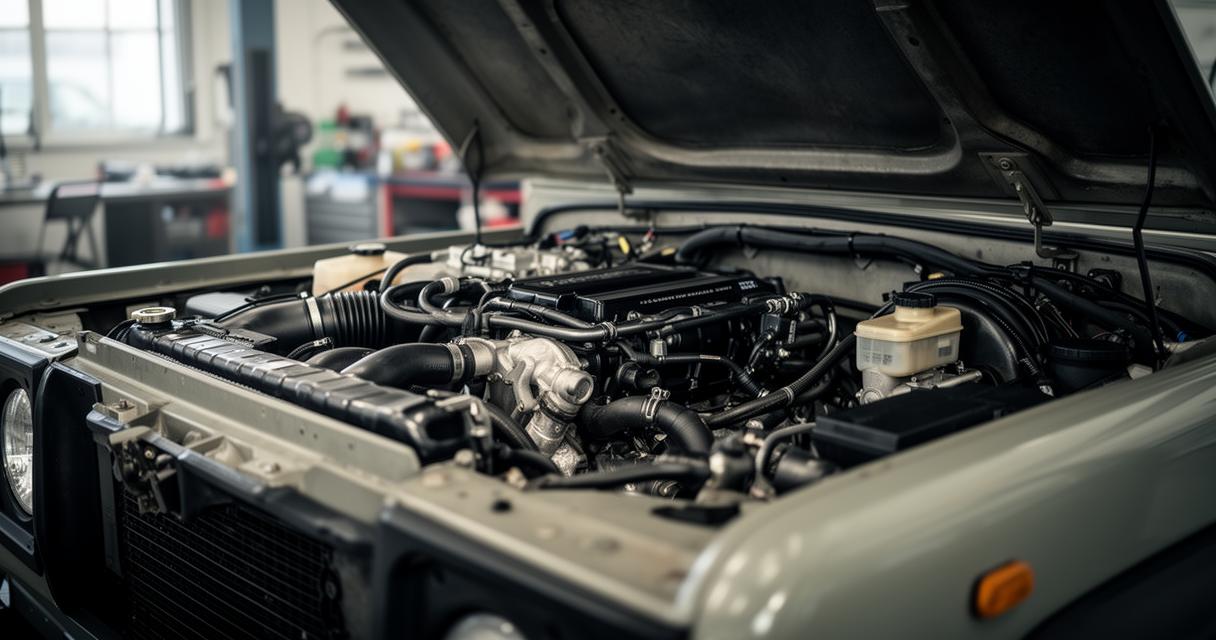
The Land Rover Defender has long been celebrated for its rugged capability and enduring reliability, with the TD5 engine standing as a testament to this legacy. As owners of these remarkable vehicles know, maintaining the health of the engine and its components is essential to ensure continued performance across challenging terrains. Among the critical elements requiring attention, the turbocharger plays a pivotal role in delivering the power and responsiveness that define the Defender experience. Understanding the intricacies of the TD5 engine and recognising the signs that precede turbocharger replacement can save both time and expense whilst preserving the vehicle's legendary durability.
- The Land Rover TD5 engine utilizes a sophisticated turbocharging system that relies on constant oil pressure for lubrication and optimal performance.
- Key indicators of turbocharger distress include excessive blue or black exhaust smoke, reduced engine acceleration, and unusual whining noises.
- Regular oil and filter changes are critical, as degraded oil can lead to friction, heat, and rapid deterioration of turbocharger bearings.
- A clean air filter is essential to prevent the turbocharger from overworking, which can accelerate mechanical wear and reduce its lifespan.
- Allowing the engine to idle briefly before shutdown helps the turbocharger cool down, preventing oil coking on internal bearing surfaces.
- Avoiding aggressive acceleration immediately after starting the engine ensures the lubricant reaches proper temperature and pressure levels to protect the turbo unit.
Understanding your def td5 engine architecture and performance
Core Components and Specifications of the TD5 Power Unit
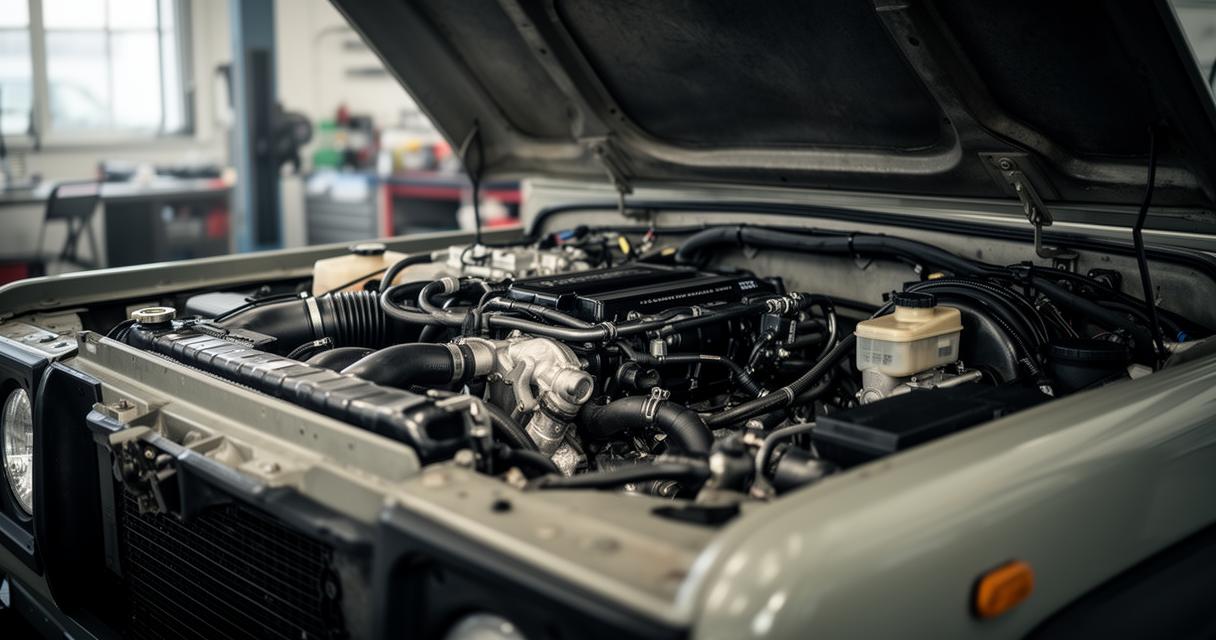
The TD5 engine represents a significant evolution in diesel power for Land Rover vehicles, combining robust engineering with modern efficiency. This five-cylinder turbocharged diesel unit delivers a balance of torque and refinement that suits both off-road adventures and daily driving. At the heart of this power unit lies a sophisticated turbocharging system that compresses incoming air to increase combustion efficiency, thereby enhancing overall performance. The engine block itself is constructed to withstand the rigours of demanding use, whilst the fuel injection system ensures precise delivery of diesel to each cylinder. The turbocharger, typically a Garrett unit, integrates seamlessly with the exhaust manifold to harness energy from exhaust gases, spinning a turbine that forces additional air into the engine. This symbiotic relationship between components means that any disruption to one element can affect the entire system. The TD5 engine architecture also incorporates an oil feed system that supplies lubrication to the turbocharger bearings, a feature that proves crucial in preventing premature wear. Understanding these core elements provides owners with the knowledge necessary to identify when maintenance or replacement becomes necessary.
Common performance issues and warning signs
Recognising the early indicators of turbocharger distress can prevent more extensive damage to the TD5 engine. One of the most common symptoms is excessive smoke emanating from the exhaust, which may appear in various colours depending on the nature of the problem. Blue smoke often suggests oil is being burnt within the combustion chamber, potentially due to worn turbocharger seals. Black smoke, on the other hand, can indicate incomplete combustion, sometimes linked to turbo inefficiency or restricted air intake. Reduced acceleration is another telltale sign that the turbocharger is not delivering the expected boost pressure. Drivers may notice that the vehicle feels sluggish when attempting to overtake or climb inclines, a stark contrast to the responsive nature of a healthy TD5 engine. Strange noises, particularly whirling or whining sounds, often point to bearing damage within the turbocharger itself. These bearings rely on a constant supply of clean oil under pressure, and any compromise in this lubrication can lead to rapid deterioration. Engine oil pressure failures can cause turbo damage almost instantaneously, underscoring the importance of regular oil changes and quality lubrication. By staying attuned to these warning signs, Defender owners can take proactive steps before a minor issue escalates into a costly repair.
Essential maintenance practices for td5 longevity
Regular service intervals and fluid management
Maintaining the TD5 engine in optimal condition requires adherence to regular service intervals and meticulous fluid management. The longevity of a turbocharger is closely tied to the quality and condition of the engine oil, as this lubricant serves as the lifeblood of the turbo bearings. Over time, oil can degrade, losing its viscosity and protective properties, which increases friction and heat within the turbocharger assembly. Changing the oil at recommended intervals, typically every six to twelve thousand miles depending on usage, ensures that the turbocharger receives the lubrication it needs to function efficiently. Alongside oil changes, replacing the oil filter is equally important to prevent contaminants from circulating through the engine and turbo system. Air filter maintenance also plays a vital role, as a clogged or dirty air filter restricts airflow and forces the turbocharger to work harder to achieve the desired boost. This additional strain can accelerate wear and reduce the overall lifespan of the component. Coolant levels and quality should not be overlooked either, as the TD5 engine generates considerable heat that must be managed to prevent overheating. By establishing a disciplined maintenance routine, Defender owners can extend the life of their turbocharger well beyond one hundred thousand miles, a milestone achievable with consistent care.
Preventative care to protect your turbocharger
Beyond routine servicing, specific preventative measures can significantly reduce the risk of turbocharger failure. One of the simplest yet most effective practices involves allowing the engine to idle for a brief period before shutting down, particularly after extended drives or heavy use. This cool-down period allows the turbocharger to decelerate gradually and permits the oil to circulate, carrying away residual heat and preventing oil coking on the bearing surfaces. Similarly, avoiding aggressive acceleration immediately after starting the engine gives the oil time to reach optimal operating temperature and pressure, ensuring adequate lubrication from the outset. Inspecting the exhaust system for leaks is another prudent step, as any breaches can alter the exhaust gas flow and affect turbo performance. Ensuring that all connections, gaskets, and studs remain secure helps maintain the integrity of the system. Owners should also be vigilant about using quality fuel and oil that meet the manufacturer's specifications, as substandard fluids can introduce impurities that harm internal components. Monitoring for early warning signs, such as unusual noises or changes in performance, enables timely intervention before minor issues develop into major failures. By combining these preventative strategies with regular maintenance, Defender enthusiasts can enjoy reliable performance and postpone the need for turbocharger replacement.
Turbocharger replacement: critical considerations and procedures
Diagnostic checks before committing to replacement
When symptoms suggest turbocharger trouble, conducting thorough diagnostic checks is essential before proceeding with replacement. The first step involves verifying that the turbocharger is indeed the source of the problem, as similar symptoms can arise from other issues such as fuel system faults or exhaust restrictions. A visual inspection of the turbo unit can reveal obvious signs of damage, including oil leaks around the housing or visible wear on the turbine blades. Checking the play in the turbo shaft by gently moving it can indicate bearing wear, though some movement is normal. Excessive lateral or axial play, however, suggests that the bearings have deteriorated and replacement is warranted. Examining the engine oil for metal particles can also provide clues about internal turbo damage, as worn bearings often shed debris into the lubrication system. It is equally important to assess the condition of related components, such as intercooler hoses and the air intake system, to ensure that they are not contributing to performance loss. Testing the boost pressure with a gauge can confirm whether the turbocharger is generating the correct level of compression. In some cases, a turbo may be salvageable through professional reconditioning, which involves replacing worn internal components with quality parts. This option can offer a cost-effective alternative to purchasing a new unit, particularly when reconditioned turbos come with a warranty covering unlimited mileage over one or two years. By completing these diagnostic steps, owners can make informed decisions about whether replacement or repair is the most appropriate course of action.
Selecting the Right Turbocharger and Installation Best Practices
Choosing the correct turbocharger for the TD5 engine involves balancing factors such as quality, cost, and compatibility. Genuine Garrett turbochargers, often specified by Land Rover, represent the premium choice, typically priced around one thousand four hundred pounds. Non-genuine alternatives are available at approximately one thousand pounds, offering a more budget-friendly option whilst still providing reliable performance when sourced from reputable suppliers. When selecting a turbocharger, it is crucial to verify that the unit matches the specific model and year of the Defender, particularly for TDCi variants from two thousand and seven onwards. Alongside the turbocharger itself, several ancillary parts are necessary for proper installation. These include a gasket for the oil drain, copper sealing washers, exhaust stud nuts, and exhaust studs, all of which contribute to a secure and leak-free assembly. The installation process, whilst achievable for those with moderate mechanical skills, requires careful attention to detail and safety. Working with cooled components and wearing protective gloves minimises the risk of injury, particularly when handling sharp edges or hot surfaces. The procedure generally involves disconnecting the exhaust system, removing the old turbocharger, and cleaning the flange faces thoroughly before fitting the new unit. Ensuring correct alignment and tightening fasteners to the specified torque settings prevents future issues such as exhaust leaks or turbo imbalance. Many suppliers offer technical support both before and after the sale, providing guidance on selecting the appropriate turbo and troubleshooting any installation challenges. With delivery often available within twenty-four hours for in-stock items, owners can minimise vehicle downtime. By combining the right parts with meticulous installation practices, Defender owners can restore their TD5 engine to full performance and enjoy many more miles of dependable service.