


Most riders are familiar with the basics of motorcycle upkeep, checking tyre pressure, swapping out brake pads, and keeping on top of oil changes. But there is a whole world beyond routine servicing that can genuinely transform how a motorcycle performs on the road. Understanding the internal workings of a motorcycle engine, and knowing which components respond best to careful tuning, opens up a more rewarding and confident riding experience.
At a glance
- Upgrading to a high-flow air filter allows more air into the combustion chamber, which can improve engine responsiveness and overall performance.
- Precision adjustments to ignition timing and the use of high-quality spark plugs can significantly enhance combustion efficiency and throttle response.
- ECU remapping provides a way to recalibrate fuel and air management, though it requires careful monitoring of increased engine heat.
- Selecting high-performance engine oil and maintaining the cooling system are essential for protecting the engine against the thermal stress caused by tuning.
- Proper drive chain tension is critical to ensure that increased engine power is transmitted efficiently and smoothly to the rear wheel.
- Maintaining a reliable battery and clean electrical connections is vital for the consistent operation of modern fuel injection and safety systems.
Optimising the Internal Combustion System and Airflow
At the heart of every motorcycle lies its internal combustion engine, a precisely engineered system that converts fuel into motion through a carefully controlled series of explosions within the cylinders. The efficiency of this process depends on several interconnected factors, chief among them being the quality and volume of air entering the engine. When these elements are properly aligned, the result is stronger combustion, improved engine performance, and a more responsive ride.
Upgrading the air filter for superior airflow
The air intake system plays a surprisingly significant role in how well an engine breathes. A standard air filter is designed primarily with longevity and reliability in mind, rather than outright performance. Riders seeking to unlock additional horsepower gain will often turn to performance-oriented filter upgrades, which allow a greater volume of clean, cool air to enter the combustion chamber. It is worth noting that upgrading to a higher-flow air filter can increase air intake substantially, which generally improves performance though it may also affect fuel consumption. Striking the right balance is key, particularly if the engine has not been recalibrated to account for the increased airflow.
Fine-tuning cylinder performance and spark timing
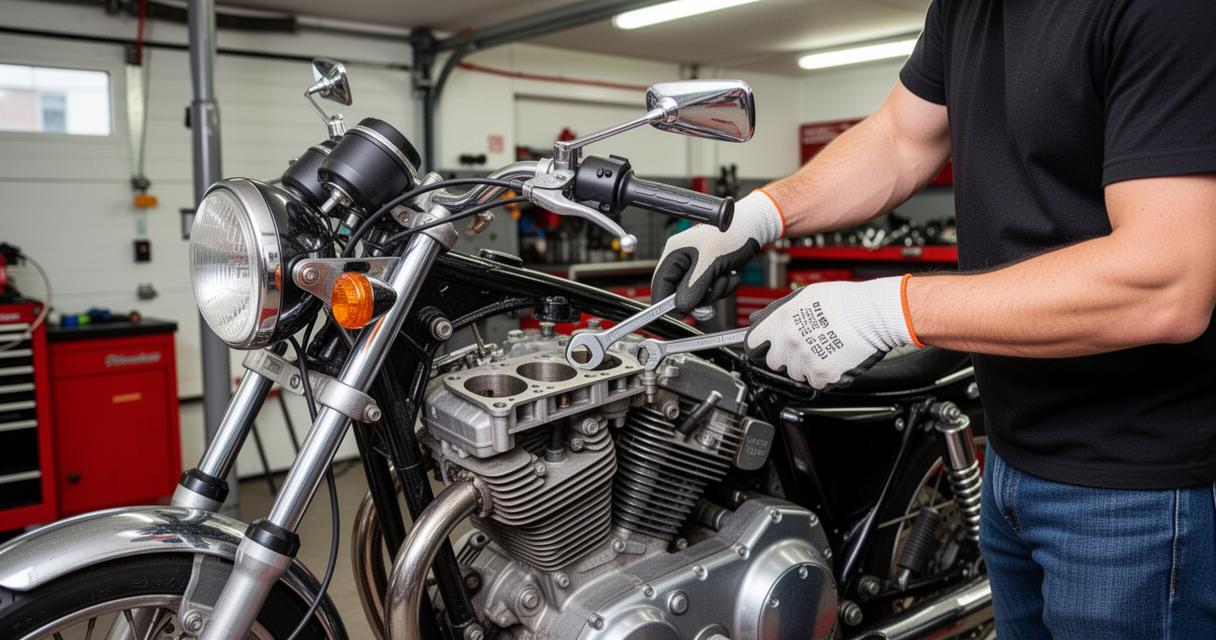
The cylinders are where the real work happens in any combustion engine. Each firing sequence depends on precise ignition timing, the exact moment the spark plug ignites the fuel-air mixture. Even a small adjustment to this timing can have a meaningful impact on combustion efficiency and overall engine response. Fitting upgraded spark plugs, capable of generating a stronger and more consistent spark, can noticeably sharpen throttle response. For riders comfortable with more advanced engine modification, ECU remapping offers a comprehensive way to recalibrate ignition timing, fuel delivery, and air management simultaneously, bringing all these variables into a more powerful and cohesive tune. However, remapping can lead to higher running temperatures, so monitoring heat levels becomes especially important after any such adjustment.
Upgrading the Engine Cooling and Fluid Efficiency
A high-performing engine generates considerably more heat than a standard unit running at everyday revs. Managing that heat effectively is not merely a matter of comfort, it is fundamental to the longevity and safety of the entire powertrain. Cooling systems, engine oil, and fluid maintenance form a trio of disciplines that are often overlooked in favour of more glamorous upgrades, yet they underpin everything else.
Selecting high-performance engine oil for maximum protection
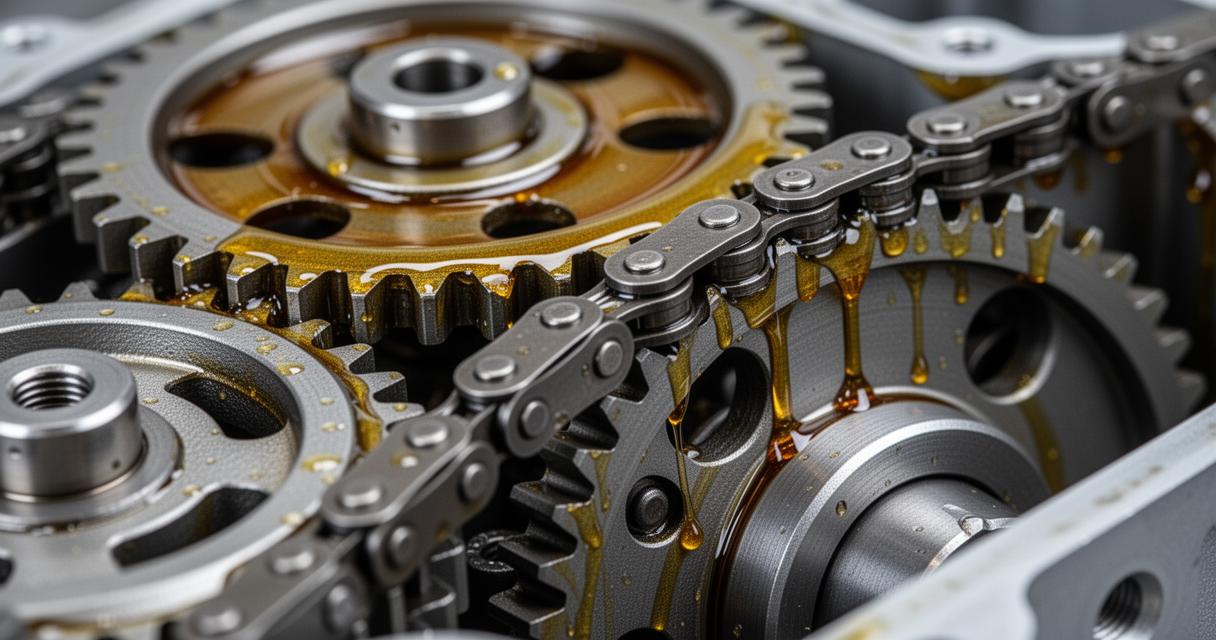
Engine oil is the lifeblood of any motorcycle, and its condition directly influences wear rates, operating temperature, and the overall duration of the engine’s working life. During an oil change, choosing a lubricant suited to the specific demands of a performance-tuned engine can make a genuine difference. High-quality oils provide a more stable viscosity across a wider range of temperatures, reducing internal friction and extending the time between necessary maintenance intervals. Riders should also pay close attention to the oil level between services, particularly after modifications that increase engine output, as greater thermal stress can accelerate oil degradation.
Managing coolant liquid systems to control engine heat
For liquid-cooled motorcycles, the coolant system works in tandem with the engine oil to regulate operating temperatures. Keeping the coolant at the correct level and in good condition is essential, especially when the engine is being pushed harder through tuning. The cooling liquid circulates through dedicated channels, absorbing heat from the engine block before passing through a radiator where it is cooled and recirculated. Neglecting the condition or level of this liquid can lead to overheating, which places enormous stress on gaskets, seals, and the cylinders themselves. Periodic checks of the coolant cap, expansion tank level, and system integrity should become part of any serious rider’s maintenance routine.
Enhancing drivetrain calibration and electrical output
Performance gains from engine tuning can only be fully realised if the drivetrain is capable of transmitting that power efficiently to the rear wheel. Equally, a well-tuned motorcycle depends on reliable electrical systems to keep ignition, fuel management, and safety components operating without fault. These two areas (mechanical transmission and electrical reliability) are often the final pieces in a well-rounded tuning strategy.
Adjusting drive chain tension for seamless power delivery
The drive chain is the critical link between the gearbox and the rear wheel, and its condition has a direct bearing on how cleanly power is delivered. A chain that is too slack will snap and jolt under acceleration, wasting energy and increasing wear on both the sprockets and the chain itself. Conversely, a chain adjusted too tightly places excessive strain on the bearings and can lead to premature failure. Correct chain tension ensures that power flows smoothly from the engine through the entire drivetrain, which is particularly important when modifications have increased the engine’s torque output. Regular inspection and lubrication of the chain should be considered non-negotiable maintenance, regardless of the model or type of motorcycle.
Maintaining battery output and electrical component reliability
Modern motorcycles rely on sophisticated electrical systems to manage everything from fuel injection and ignition timing to ABS and traction control. A battery that is beginning to lose its capacity to hold a charge can introduce subtle faults across all of these systems, often manifesting as inconsistent starting, erratic sensor readings, or unreliable operation of safety-critical components. Riders should periodically check the battery’s charge level and condition, and consider whether it may need a recharge or replacement, particularly after extended periods of inactivity or cold weather. Ensuring that all electrical connections remain clean and corrosion-free further supports the reliability of the entire system, helping the motorcycle perform consistently across different riding conditions. Taken together, these steps form a coherent and practical approach to pushing a motorcycle beyond basic maintenance and into the realm of genuine, considered performance enhancement.