Breaking into the world of professional motorcycle riding demands far more than raw talent on the track. It requires strategic thinking, meaningful relationships, and a clear-eyed understanding of how the motorsport industry actually operates. Whether you are aiming to compete at the highest level, build a career as a coach, or carve out a niche in motorcycle industry careers, knowing how to position yourself beyond race day is every bit as important as your lap times.
In brief
- Success in professional motorcycle racing requires combining on-track talent with strategic networking and a deep understanding of industry operations.
- Attending major trade shows and racing events is essential for building face-to-face connections with manufacturers, team managers, and sponsors.
- Developing strong relationships with commercial partners involves demonstrating brand credibility and professional communication skills rather than just speed.
- Riders increase their value to teams by mastering technical aspects like data analysis and bike mechanics alongside physical conditioning.
- Formal training through recognised academies and certifications helps riders establish credibility and access specialized career paths like coaching or engineering.
- Active engagement with national and international motorcycling federations provides professional legitimacy and access to exclusive industry networks.
- Maintaining a professional digital presence and tailoring one’s portfolio to address the specific needs of paddock decision-makers is crucial for career advancement.
Building a Strong Professional Network in Motorsport
The motorsport world is a tightly knit community, and motorsport networking sits at the heart of any serious career development in motorsport. Riders who go on to work with manufacturers, secure sponsorships, or land roles within racing teams are rarely those who simply performed well on track, they are the ones who invested time in building genuine, long-lasting professional relationships. In this industry, a shared passion for motorcycles can open doors that no CV ever could.
Attending key industry events and trade shows
Major motorcycle trade events represent some of the most fertile ground for building professional connections. International exhibitions dedicated to the sector bring together manufacturers, suppliers, media professionals, team managers and riders under one roof. Events centred on MotoGP and WorldSBK, as well as dedicated trade shows across Europe and the Americas, provide riders and industry professionals alike with unparalleled opportunities to meet key figures face to face. Preparation is essential before attending: researching attendees in advance, identifying the contacts most relevant to your goals, and using platforms such as LinkedIn and Instagram to begin conversations before the event can make a significant difference. Carrying business cards and relevant materials remains a simple but effective practice, and maintaining communication after the event (even with contacts you did not manage to speak to at length) helps sustain the connections you begin to forge.
Beyond the big exhibitions, motorcycle racing events at club and national level, local gatherings and specialist riding days can be just as valuable for meeting industry insiders. The key is to approach these occasions with curiosity and a genuine interest in the people you meet, rather than leading with a sales pitch or a request. Listening carefully to what others are working on tends to be far more effective than promoting yourself from the outset.
Engaging with Sponsors and Commercial Partners
For a professional rider, motorcycle marketing and sponsor engagement are inseparable from competitive performance. Commercial partners want more than a fast lap, they want someone who can represent their brand credibly, communicate effectively and build a visible profile within the industry. Understanding this dynamic early in a career allows riders to present themselves as complete professionals rather than athletes alone. Networking styles also differ by region: directness is typically valued in the United States, whereas European markets tend to place greater emphasis on established relationships built over time. In Asian markets, respecting hierarchy and cultural nuance is particularly important. A long-term approach to every connection, underpinned by consistency and genuine support for others, is what distinguishes a rider who merely competes from one who builds a lasting presence in the sport.
Developing essential skills for professional growth
A motorsport career path is rarely linear. Beyond riding ability, the professionals who thrive are those who commit to developing themselves across multiple dimensions, physical, technical and educational.
Mastering physical condition and technical focus
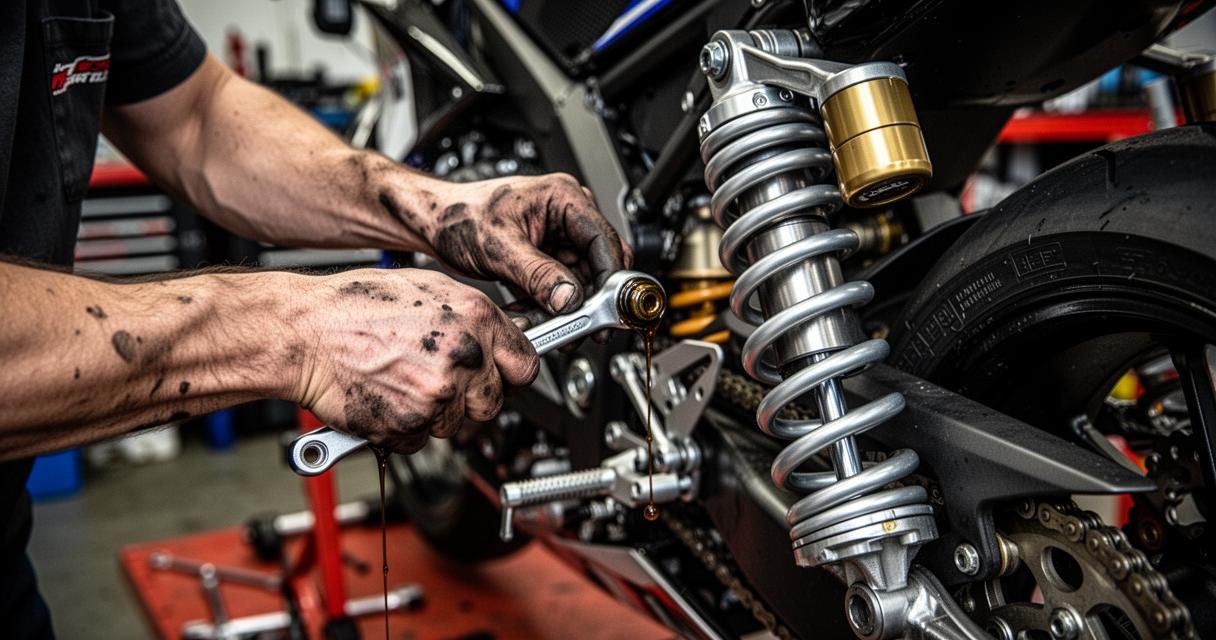
Physical conditioning plays a decisive role in a rider’s ability to perform consistently and recover quickly between competitive events. Strength, endurance, flexibility and mental resilience are all components of the preparation demanded by high-level advanced motorcycle training. At the same time, technical understanding of the machinery itself (suspension settings, tyre behaviour, data from onboard systems) has become increasingly central to a rider’s value within a team. Data analysis in motorsport is a growing discipline, with professionals examining braking patterns, acceleration curves, corner speeds and competitor behaviour to refine performance. A rider who can engage meaningfully with this information brings considerably more to a team than one who simply delivers feedback in vague terms.
Utilising official training centres and academies
Structured education through recognised motorsport engineering careers pathways, official academies and training centres provides a credible foundation for anyone entering the industry. Whether the focus is on riding itself, coaching, mechanics or strategy, formal training strengthens both competence and credibility. For those interested in professional rider coaching, the route often begins with foundational instructor qualifications before moving into more specialised domains. Off-road riding instructor roles, for instance, are part of one of the fastest-growing segments of the sector, with adventure riding continuing to attract significant numbers of new enthusiasts. Track day instructor positions offer another avenue, particularly for those with a background in circuit riding and a desire to share technical knowledge with other riders.
Leveraging digital platforms and racing associations
The digital landscape has transformed how professionals in the motorcycle world build visibility and connect with decision-makers. A well-maintained online presence, combined with active engagement in the right communities, can accelerate a career in ways that were simply not possible in earlier generations of the sport.
Connecting through official motorcycling federations
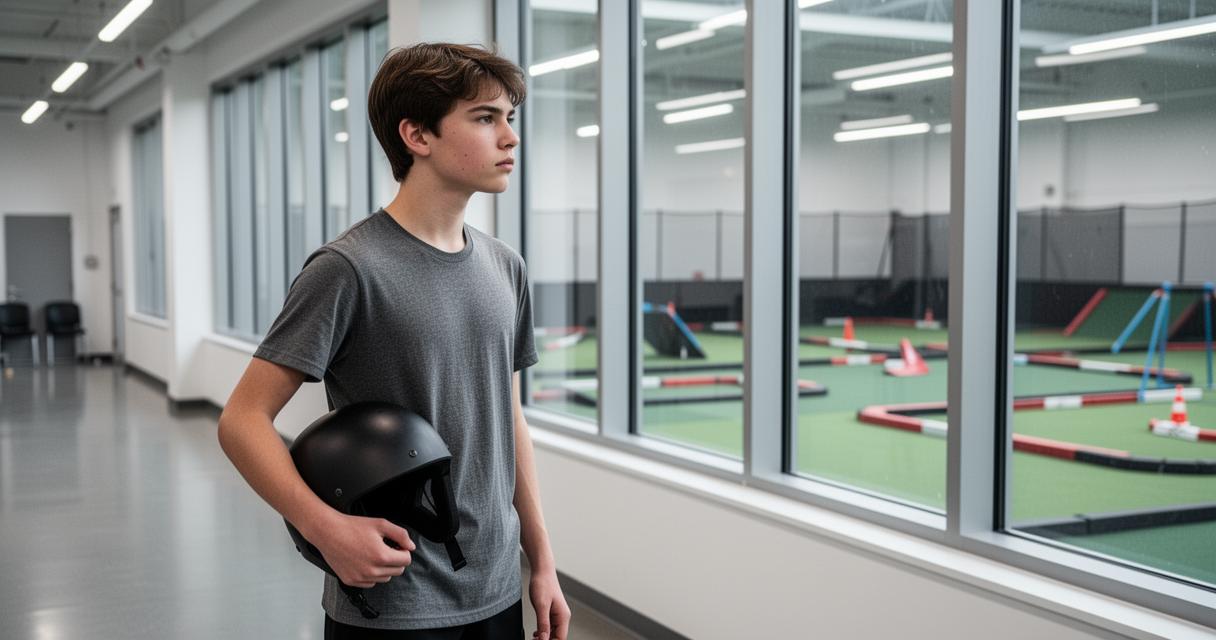
National and international motorcycling federations serve as important gateways for riders seeking to formalise their credentials and expand their professional networks. Obtaining official licences and certifications through recognised bodies lends weight to a rider’s profile and opens access to competitions, training programmes and industry contacts that might otherwise remain out of reach. Engaging actively with federation structures (attending meetings, volunteering at events, participating in working groups) positions a rider as someone invested in the sport’s broader development rather than solely in personal advancement. This kind of involvement tends to be noticed and remembered by the automotive industry networking contacts who help shape careers.
Showcasing professional achievements to paddock decision makers
For riders and professionals alike, specialised motorcycle instruction experience, competitive results and technical achievements must be communicated clearly and consistently to the people who matter. A motorcycle coaching business or an instructor portfolio built around measurable outcomes speaks far more convincingly than a list of titles alone. The motorsport paddock includes engineers, analysts, strategists, media professionals, team managers and sponsor representatives, each with distinct priorities. Tailoring the way you present your experience to each audience, while remaining authentic, is a skill that develops with practice and reflection. As in any competitive field, the combination of demonstrated ability, continuous learning, and a network built on trust and shared passion is what ultimately defines a professional career in motorcycling.