
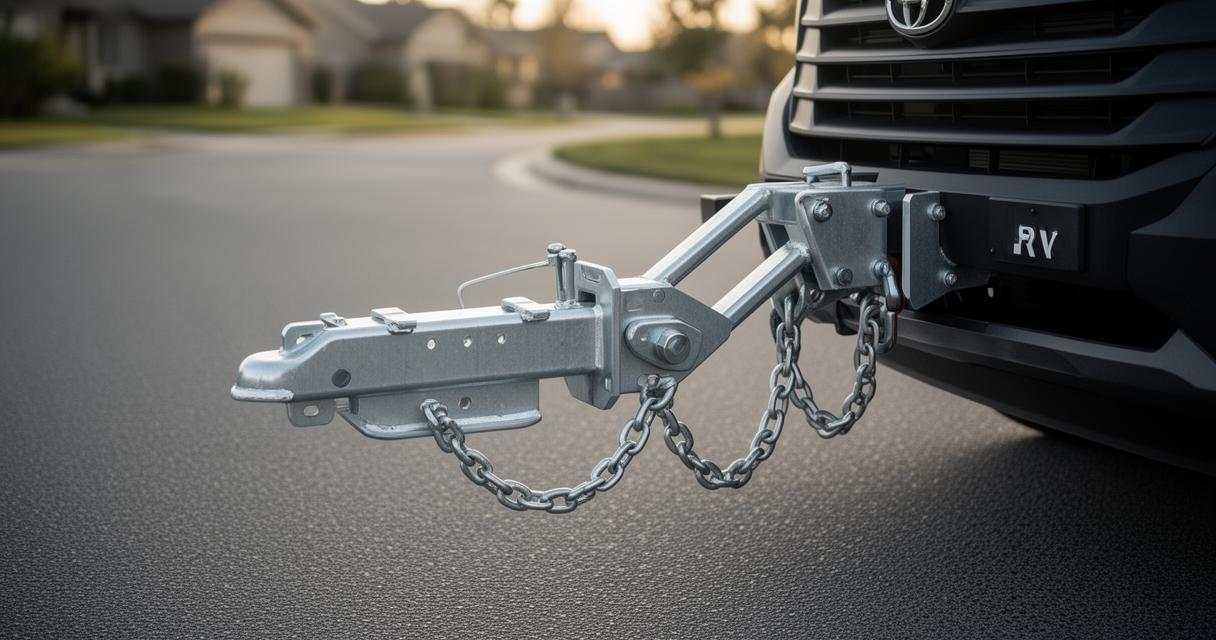
As we move further into 2024, the intersection of vehicle safety and environmental consciousness continues to shape the choices we make about equipment for towing and road use. Whether you are preparing for a long-distance journey or simply ensuring that your vehicle complies with legal requirements, understanding which driverless towbar triangle offers the best combination of safety, compatibility, and eco-friendly credentials is essential. This guide explores the critical considerations surrounding these devices, from regulatory compliance to the innovative use of sustainable materials, helping you make an informed decision that benefits both your vehicle and the planet.
- Choosing a driverless towbar triangle requires balancing strict regulatory safety standards with vehicle-specific compatibility requirements.
- Compliance with legal mandates, including visibility and reflective properties, is essential for ensuring road safety and avoiding penalties.
- Drivers must carefully match the triangle to their vehicle's specific towing capacity and connection system to prevent equipment failure or instability.
- The automotive industry is increasingly adopting sustainable manufacturing practices, focusing on waste reduction and a lower carbon footprint.
- Recycled metals and plastics are being successfully integrated into the production of towbar triangles to promote a circular economy.
- Innovative biodegradable components are emerging as a viable alternative for parts of these devices, maintaining durability while reducing long-term environmental impact.
Understanding driverless towbar triangles: safety standards and vehicle compatibility
When selecting a driverless towbar triangle, the first step is to ensure that the device meets all necessary safety standards and is fully compatible with your vehicle. These triangles serve as crucial warning markers on the road, alerting other drivers to the presence of a towed load or a vehicle that may be moving at reduced speeds. Ensuring that your towbar triangle complies with current regulatory requirements is not merely a legal obligation but a vital element of road safety. The standards governing these devices specify visibility requirements, reflective properties, and structural integrity to ensure that they can withstand various weather conditions and remain visible both during the day and at night.
Regulatory Requirements and Road Safety Compliance for Towbar Triangles
Regulatory frameworks across the United Kingdom mandate that all towbar triangles must meet stringent criteria to be deemed roadworthy. These requirements typically involve dimensions, reflective surface area, and the quality of materials used in construction. A compliant towbar triangle must be highly visible and durable enough to remain effective throughout its expected lifespan. The regulations are designed to minimise accidents and ensure that other road users have adequate warning of any potential hazards. In addition to meeting these baseline standards, manufacturers are increasingly incorporating advanced reflective coatings and lighting elements that exceed minimum requirements, thereby enhancing overall safety. It is essential to verify that any product you consider carries the appropriate certification marks, indicating that it has been tested and approved by recognised authorities. This attention to compliance not only safeguards your legal standing but also provides peace of mind that the device will perform reliably when it matters most.
Matching Towbar Triangles to Your Vehicle's Weight Rating and Connection System
Beyond regulatory compliance, the compatibility of a towbar triangle with your specific vehicle is paramount. Vehicles vary widely in terms of weight ratings, towing capacities, and the types of connection systems they employ. A towbar triangle designed for a light commercial vehicle may not be suitable for a heavier recreational vehicle or a larger commercial trailer. Understanding your vehicle's towing capacity is the first step in this process, as it directly influences the type and strength of the towbar triangle you should select. Additionally, the connection system, whether it is a fixed ball coupling, a detachable system, or another type, must align perfectly with the mounting mechanism of the triangle. Mismatched components can lead to instability, increased wear, or even failure during use, posing significant safety risks. Manufacturers typically provide detailed specifications and compatibility charts, which should be consulted carefully to ensure a proper fit. Taking the time to match these elements correctly not only enhances safety but also prolongs the lifespan of both the towbar triangle and the towing equipment as a whole.
Eco-Friendly Materials and Environmental Considerations in Towbar Triangle Manufacturing
The environmental impact of manufacturing and using vehicle accessories has become a central concern for both consumers and producers. As awareness of sustainability trends for 2024 grows, the market has responded with a variety of eco-friendly building materials and manufacturing processes that significantly reduce the carbon footprint associated with towbar triangles. The shift towards renewable materials and waste reduction practices reflects a broader commitment within the industry to promote sustainability while maintaining the high standards of safety and durability required for road use. This section examines the most promising sustainable material options and the ways in which manufacturers are assessing and minimising the environmental impact of their products.
Sustainable material options: recycled plastics and biodegradable components
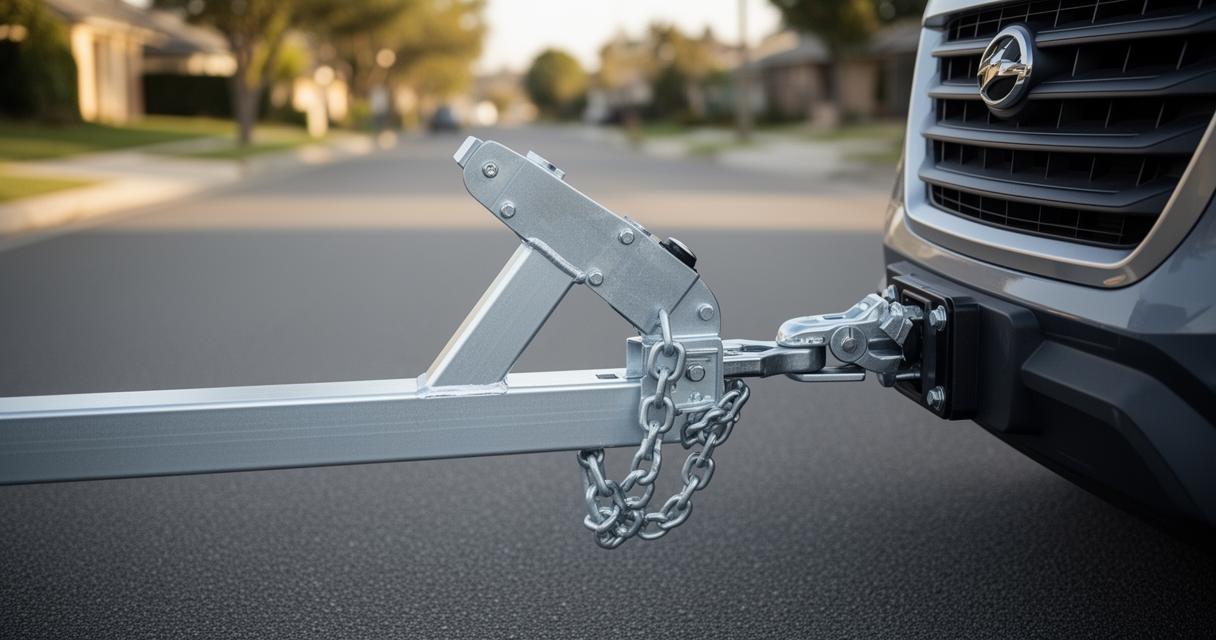
One of the most significant developments in the production of driverless towbar triangles is the adoption of recycled plastics and biodegradable components. Recycled metal, for instance, has gained traction as a strong and durable alternative to virgin materials, being repurposed from old cars and machinery to create robust structural elements. Similarly, manufacturers are increasingly utilising recycled plastics to produce the reflective housings and mounting brackets that are integral to these devices. These materials not only reduce the demand for new raw materials but also divert waste from landfills, contributing to a circular economy. In addition to recycled plastics, innovations in biodegradable components are beginning to emerge, offering the potential for even lower environmental impact over the entire lifecycle of the product. While these materials must still meet rigorous safety and durability standards, early results suggest that they can perform on par with traditional materials while offering the added benefit of reduced environmental harm. The use of sustainable materials is a testament to the industry's commitment to green building principles and a reflection of the broader sustainability trends that are reshaping manufacturing practices across all sectors.
Assessing the Carbon Footprint of Different Towbar Triangle Models
Beyond the choice of materials, assessing the overall carbon footprint of different towbar triangle models requires a comprehensive look at the entire manufacturing process. This includes evaluating energy consumption during production, transportation emissions, and the eventual disposal or recycling of the product at the end of its useful life. Precast concrete techniques, for example, are celebrated in the construction industry for their ability to deliver high quality while reducing waste, and similar principles are being applied to the production of vehicle accessories. Factory-made components benefit from controlled environments that optimise resource use and minimise defects, thereby reducing the need for rework and the associated environmental costs. Furthermore, the choice of renewable materials such as bamboo, cork, and reclaimed wood in related industries demonstrates a growing trend towards integrating sustainable practices into product development. While not all these materials are directly applicable to towbar triangles, the lessons learned from their use inform the broader approach to reducing environmental impact. Manufacturers who invest in cleaner production technologies and transparent supply chains are setting new benchmarks for the industry, and consumers are increasingly seeking out products that reflect these values. By comparing the carbon footprints of different models, you can make a choice that not only meets your safety and compatibility needs but also aligns with your commitment to environmental stewardship.
Selecting the Best Driverless Towbar Triangle: Features, Reviews and Value Assessment
With a clear understanding of safety standards, vehicle compatibility, and environmental considerations, the next step is to evaluate the specific features and value propositions of the various models available in 2024. The market offers a diverse range of options, each with unique attributes designed to enhance visibility, durability, and ease of use. User reviews and expert recommendations provide valuable insights into real-world performance, helping you to identify products that deliver on their promises. This section guides you through the key features to look for and how to balance cost with quality and sustainability.
Visibility Features and Enhanced Safety Elements for 2024 Models
Visibility remains the cornerstone of an effective towbar triangle, and the latest models boast a range of innovative features designed to maximise your presence on the road. Advanced reflective coatings, high-intensity LED lighting, and strategically placed reflectors work in concert to ensure that the device is conspicuous under all lighting conditions. Some models now incorporate solar-powered or battery-operated lighting systems that activate automatically in low-light environments, providing an additional layer of safety without requiring manual intervention. The design of the triangle itself has evolved to include larger reflective surfaces and more aerodynamic profiles that reduce wind resistance and improve stability during towing. Enhanced safety elements such as reinforced mounting points, weather-resistant coatings, and anti-fade materials ensure that the triangle maintains its effectiveness over time, even when exposed to harsh conditions. These features are particularly important for drivers who regularly undertake long journeys or operate in challenging environments, where reliability and visibility can make a critical difference. When evaluating models, it is worth considering how these visibility features integrate with the overall design and whether they offer tangible benefits over more basic alternatives.
Comparing prices whilst evaluating user testimonials and expert recommendations
Price is an inevitable consideration in any purchasing decision, yet it should be weighed carefully against the quality, durability, and environmental credentials of the product. The market for driverless towbar triangles in 2024 spans a wide range of price points, from budget-friendly options to premium models that incorporate the latest sustainable materials and advanced safety features. User testimonials provide a window into the real-world performance of these devices, revealing insights that are often not apparent from product descriptions alone. Reading reviews from other drivers who have used the triangles in various conditions can help you identify potential issues and confirm the reliability of a given model. Expert recommendations, whether from automotive professionals, safety organisations, or environmental advocacy groups, offer another layer of validation and can guide you towards products that have been rigorously tested and certified. When comparing prices, it is important to consider the total cost of ownership, including the potential for reduced replacement frequency due to higher quality construction and the long-term environmental savings associated with sustainable materials. A slightly higher upfront investment in a product that combines superior safety features with eco-friendly manufacturing practices may prove to be more cost-effective over time, while also contributing to broader environmental goals. By balancing these factors, you can select a driverless towbar triangle that delivers excellent value without compromising on safety or sustainability.